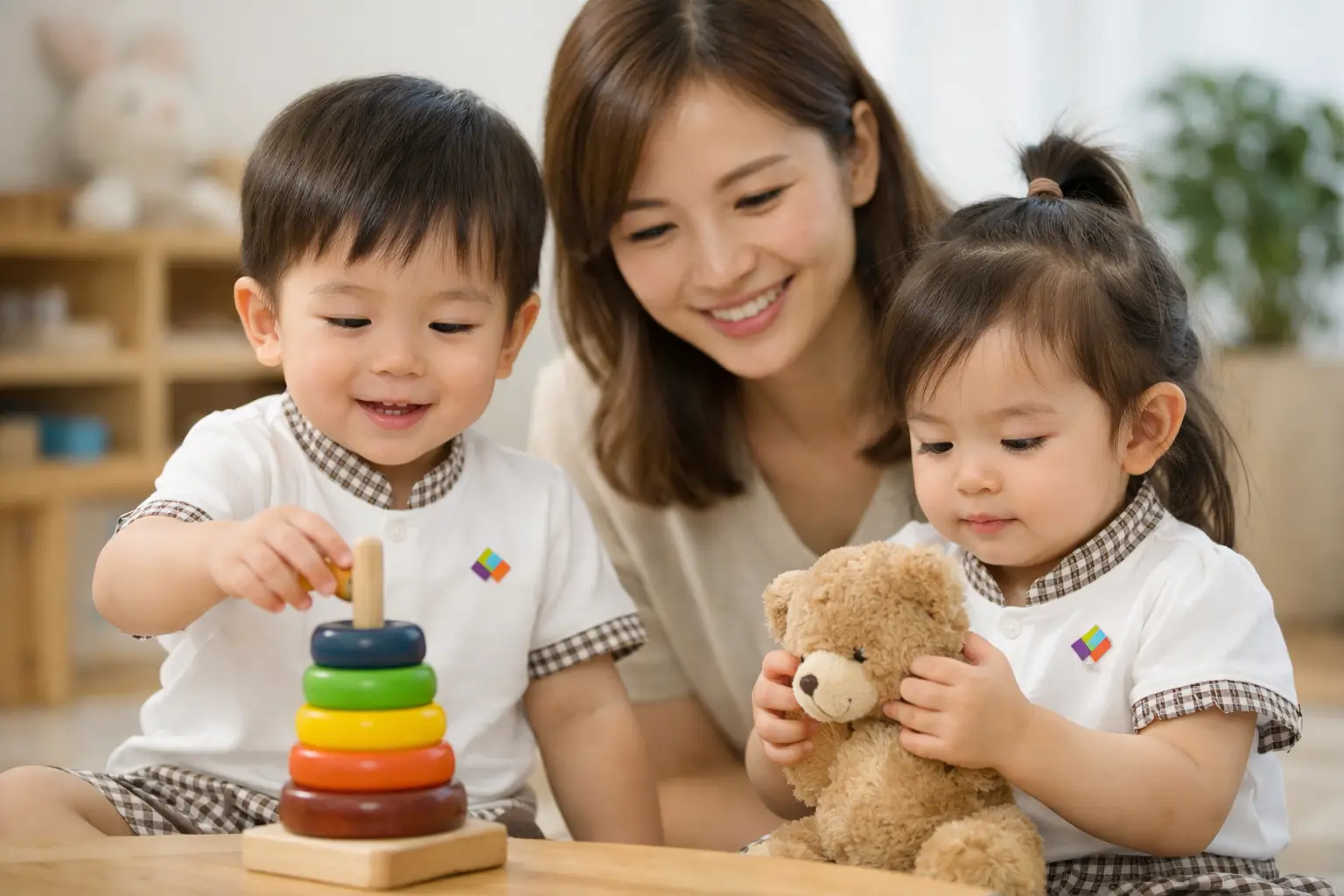
A baby does not learn in separate compartments. Feeding, cuddles, floor play, music, rest, eye contact and conversation all shape the brain at the same time. That is why infant care developmental benefits matter so much to families who want more than supervision – they want care that actively supports communication, movement, confidence and healthy early thinking.
For many parents, the question is not whether infant care can help development. It is how much that benefit depends on the quality of the environment, the responsiveness of educators and the intention behind each part of the day. Good infant care is never simply about keeping babies occupied. It is about creating consistent experiences that help them feel secure enough to explore, connect and grow.
What infant care developmental benefits really mean
Developmental benefit is sometimes treated as a broad promise, but for infants it is very practical. It means daily care experiences are designed to support progress across several domains at once – cognitive, language, physical, social-emotional and self-help development. A baby reaching for a textured toy is not only practising motor control. That same moment can involve curiosity, problem solving, concentration and interaction with a trusted adult.
This is why the strongest infant programmes do not separate care from education. Nappy changing, feeding and soothing are not interruptions to learning. When handled with warmth and consistency, they become part of the developmental process. Babies begin to recognise patterns, anticipate routines and build trust. Those early patterns matter because secure attachment and predictable care help infants regulate stress and stay open to learning.
How infant care supports brain development
In the first year of life, the brain is forming connections at a remarkable pace. Repetition, sensory input and responsive interaction all influence how those connections are strengthened. An infant who hears songs, spoken language, varied sounds and expressive facial cues throughout the day is receiving rich neurological input.
That does not mean more stimulation is always better. Overstimulation can be tiring for babies and counterproductive. The best infant care settings understand pacing. They balance active engagement with calm transitions, quiet observation and rest. Development is supported not by constant noise, but by thoughtful rhythms that respect each child’s cues.
Responsive caregiving is especially important here. When an educator notices a baby’s expression, responds to a vocal sound, mirrors a smile or names an object the baby is watching, the child learns that communication has meaning. This back-and-forth supports early language pathways, attention and emotional security all at once.
The role of repetition and routine
Babies thrive on repeated experiences. A familiar song before nap time, the same reassuring words during care routines and regular opportunities for tummy time all help infants build memory and recognition. Routine is not dull for a baby. It is reassuring, and reassurance creates the conditions for exploration.
In a well-planned programme, repetition is used purposefully. Music, movement, storytelling and sensory play are revisited often enough for infants to develop familiarity, anticipation and confidence. Over time, these experiences can support stronger focus, auditory discrimination and early recall.
Language and communication begin earlier than many parents expect
One of the most valuable infant care developmental benefits is support for communication long before clear words appear. Babies learn language through exposure, rhythm, tone, facial expression and response. They listen before they speak, and they communicate long before they form sentences.
In practice, this means infants benefit from adults who speak to them frequently and meaningfully throughout the day. Naming actions, describing feelings, singing, reading aloud and pausing for the child’s response all contribute to language growth. Bilingual exposure can also be highly valuable when it is presented naturally and consistently.
Parents sometimes worry that infants are too young for structured communication development. In fact, infancy is one of the most important periods for it. The foundations of listening, attention, sound recognition and turn-taking are laid early. Later speech confidence often rests on these early experiences.
Physical development is more than learning to crawl
When parents think about infant physical development, they often focus on milestones such as rolling, sitting and walking. Those are important, but high-quality infant care looks beyond milestone checklists. It creates regular opportunities for babies to strengthen core muscles, coordinate movement and build body awareness.
Floor-based play is especially valuable because it allows infants to move freely, reach, pivot and experiment with balance. Educators can encourage this without rushing the child. Development is not a race, and the timing of milestones can vary. What matters more is whether the environment supports safe, active exploration.
Fine motor development also begins early. Grasping toys, transferring objects from one hand to another and exploring textures all help refine control. These small actions prepare babies for later self-help skills and more complex tasks. Purposeful infant care supports these abilities in a calm and natural way rather than pushing performance.
Social-emotional growth starts with feeling safe
A baby who feels secure is more likely to explore, engage and learn. This is why emotional care is not separate from developmental care. Warm, responsive relationships are central to healthy growth.
In group care, infants begin to experience other children, different voices and shared spaces. They may watch another baby closely, respond to group songs or learn to settle into a routine with support. These early social experiences can help develop flexibility and comfort in a community setting.
Still, there is an important balance to maintain. Group care is beneficial when ratios, caregiver responsiveness and environmental calm are well managed. If the setting is overstretched or inconsistent, the developmental value drops quickly. For infants, quality matters more than the label of the programme.
Confidence grows from small, repeated successes
Developmental confidence in infancy is built through tiny moments. Reaching a toy, being understood when babbling, calming after reassurance and hearing familiar music all teach a baby that the world is safe and manageable. That confidence becomes the basis for later independence.
This is one reason enrichment should be age-appropriate and integrated carefully. The aim is not to impress adults with early performance. The aim is to nurture curiosity, attention and joy in learning.
Why music and sensory experiences can be especially powerful
Music has a distinctive role in early development because it supports several domains at once. Rhythm can help with attention and pattern recognition. Melody and repetition can strengthen memory. Songs paired with actions support listening, movement and communication. For infants, music is not merely entertainment. It is an organised, emotionally engaging learning experience.
When used with intention, music can also help babies transition between parts of the day, settle emotionally and build anticipation. A structured music component, delivered appropriately for infants, can therefore support both cognitive and emotional development.
The same is true of sensory play when it is thoughtfully planned. Different textures, sounds and visual contrasts help infants process information about the world around them. The key is moderation and responsiveness. Not every baby enjoys the same sensory input, and effective educators notice when a child is engaged, uncertain or overwhelmed.
Choosing infant care with real developmental value
For parents comparing options, the phrase developmental programme can sound impressive but vague. It helps to look closely at how development is actually supported from morning to afternoon. Are educators simply supervising, or are they interacting with purpose? Is communication encouraged throughout the day? Are movement, music and sensory exploration built into routines in meaningful ways?
It is also worth asking how the setting supports the whole child. Strong infant care should not focus only on one area such as academics or physical milestones. Babies need integrated growth. Programmes that combine nurturing relationships with communication development, exploratory learning, movement and enrichment often provide a more balanced foundation.
For families seeking an environment that goes beyond basic daycare, this distinction matters. A developmental infant programme should feel warm and human, but also intentional. That blend of care and pedagogy is where long-term value often begins.
At A2E Kids, this whole-child view is central to how early development is approached. Purposeful care, communication-rich interaction, exploratory learning and music-based enrichment are not treated as extras, but as part of a carefully designed foundation for growth.
The early months move quickly, yet their impact reaches far beyond infancy. When babies are cared for in a setting that respects their cues, stimulates their minds and nurtures their confidence, development is not left to chance. It is gently guided, day by day, in ways that can shape how they learn, relate and thrive for years to come.
Leave a Reply